Here is a structured representation of your offerings:
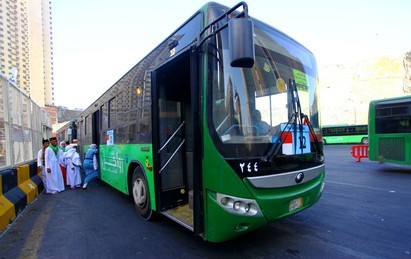
• Private buses with exceptional amenities for historical site visits.
• Occasional use of trains for quicker transit between Madinah and Makkah.
• Exclusive 5-star hotels near the Harams, ensuring congregational prayers and convenient accessibility.
• Accessibility to Raudha in Madinah facilitated.
• Use of top-tier airlines like Emirates or Qatar for flights.
• Presence of a nurse on the team for comprehensive health care.
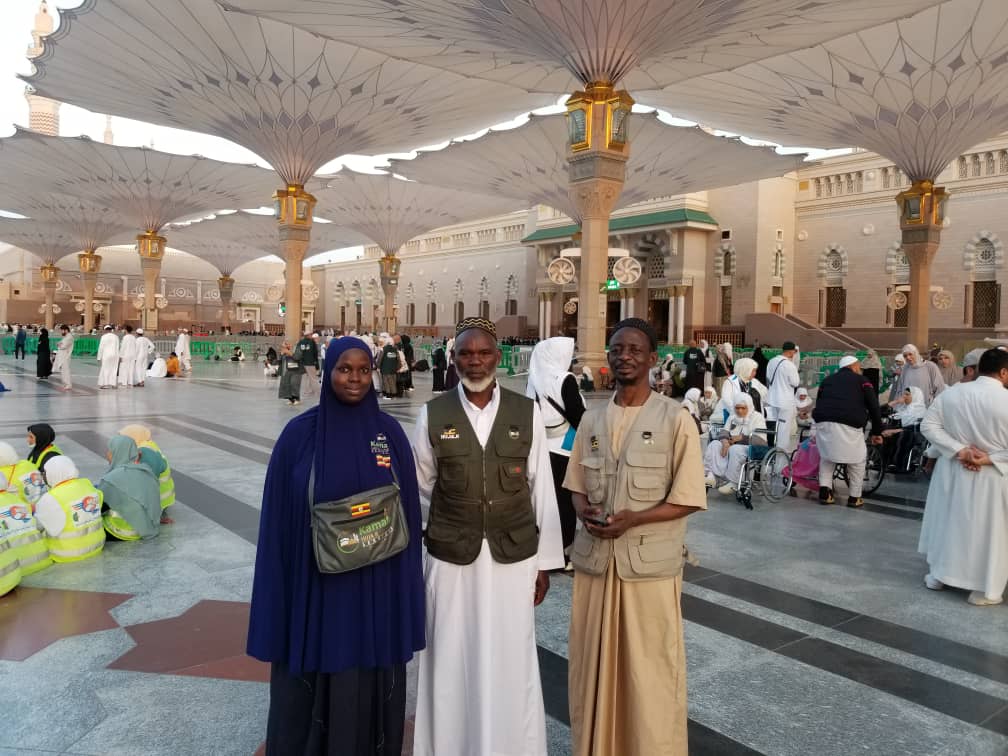
• Accompanying sheikhs with significant experience for guidance.
• Provision of wheelchairs for elderly travelers.
• Use of movable speakers for disseminating information at historical sites.
• Seminars organized before and during travel to educate and familiarize pilgrims with rituals.
• Provision of Bluetooth headsets during Tawaf for seamless communication.
Explore the top 5 places to visit during the Hajj pilgrimage, from the sacred sites in Mecca to the historic landmarks in Medina. Enhance your spiritual journey with these must-see destinations.
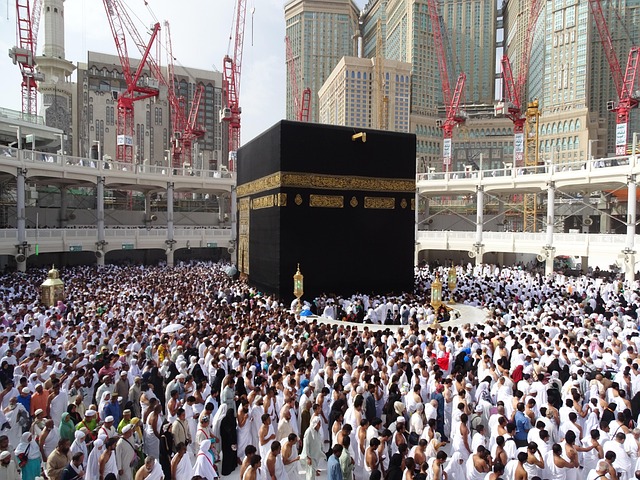
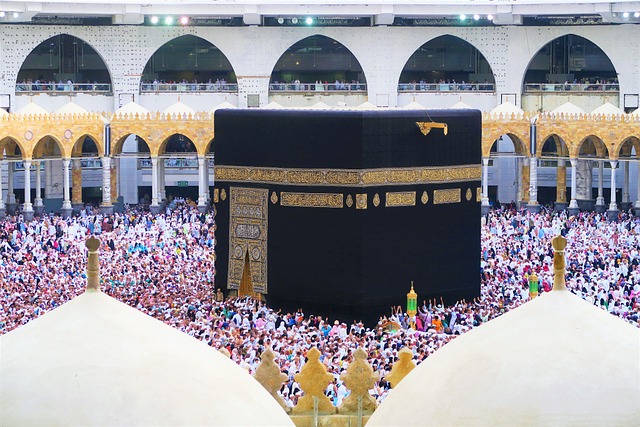
Al-Haram Mosque is the largest and most important mosque in the world. This mosque was 1st built in the age of 2nd Caliph Omar Ibn e Khattab and has been modified continuously from time to time. There are four important points in this mosque Kabba, Safa & Marwah, Maqam e Ibrahim, and Zamzam well.
Location: Approximately 20 kilometers east of Mecca
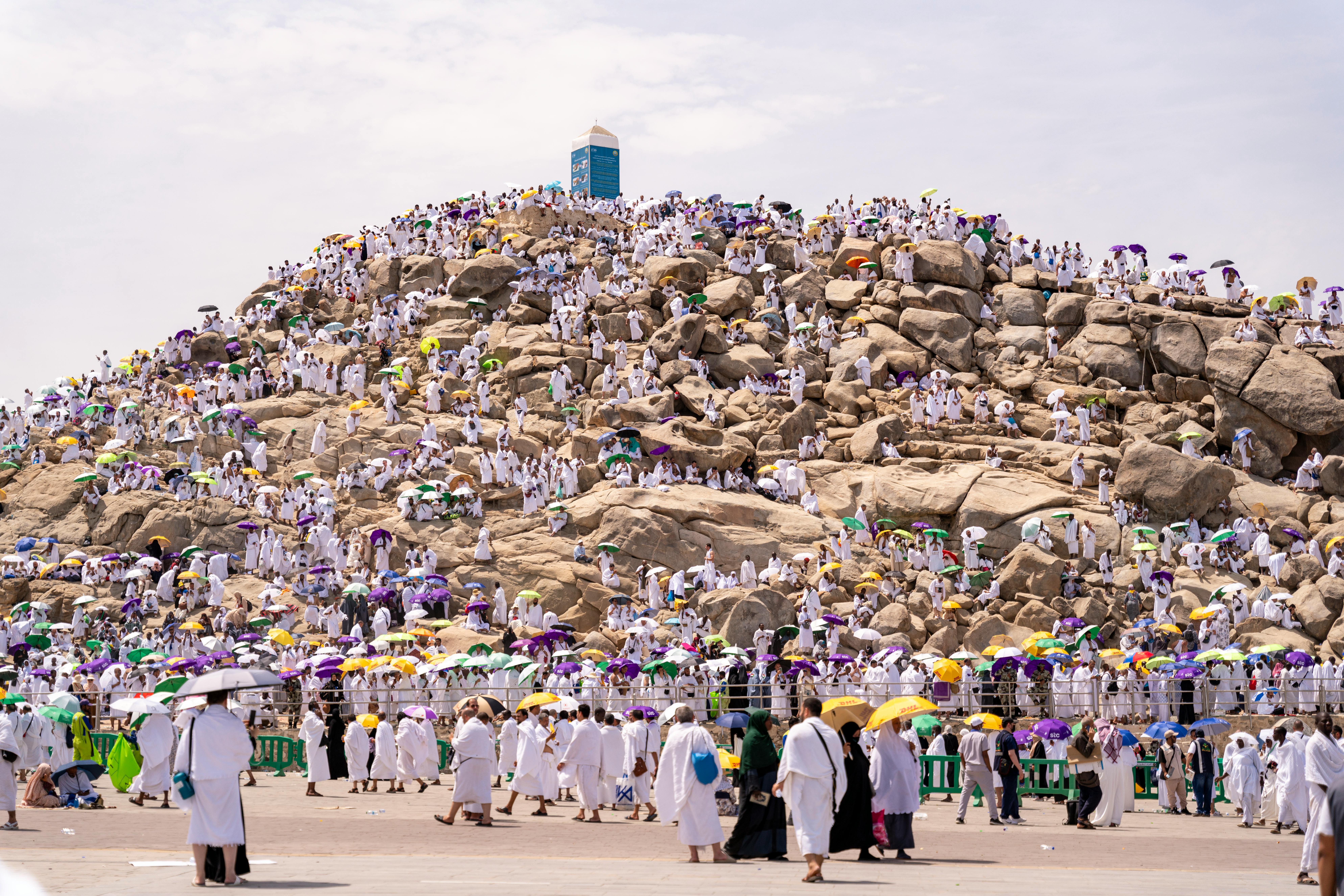
Mount Arafat, also known as Jabal al-Rahma (Mount of Mercy), is a granite hill where the Prophet Muhammad delivered his Farewell Sermon. On the 9th day of Dhu al-Hijjah, known as the Day of Arafat, pilgrims gather here to stand in prayer and contemplation from noon to sunset. This act, known as Wuquf, is considered the climax of the Hajj pilgrimage.
Location: Between Mecca and Muzdalifah
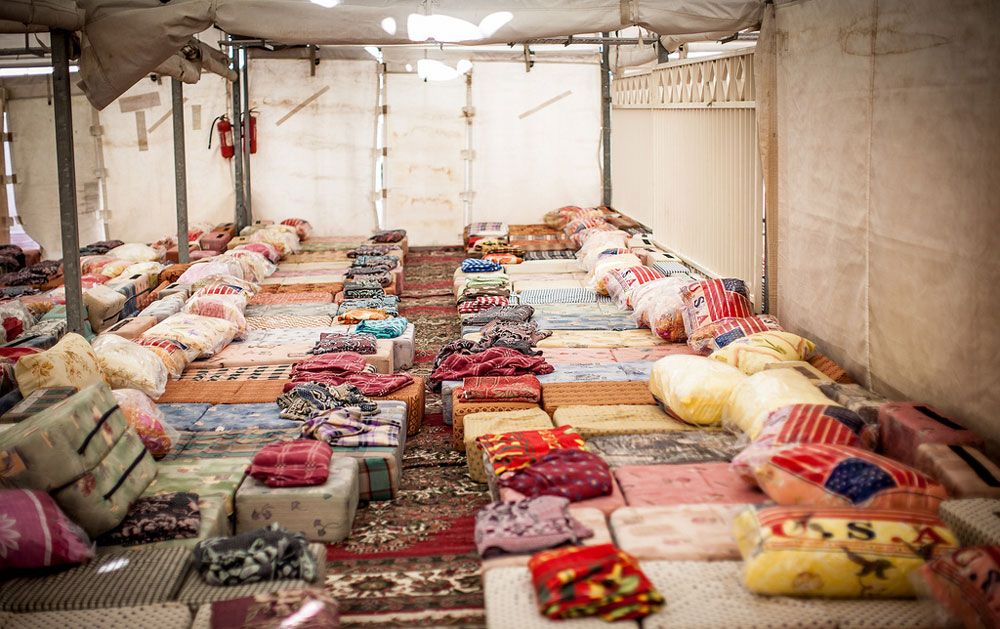
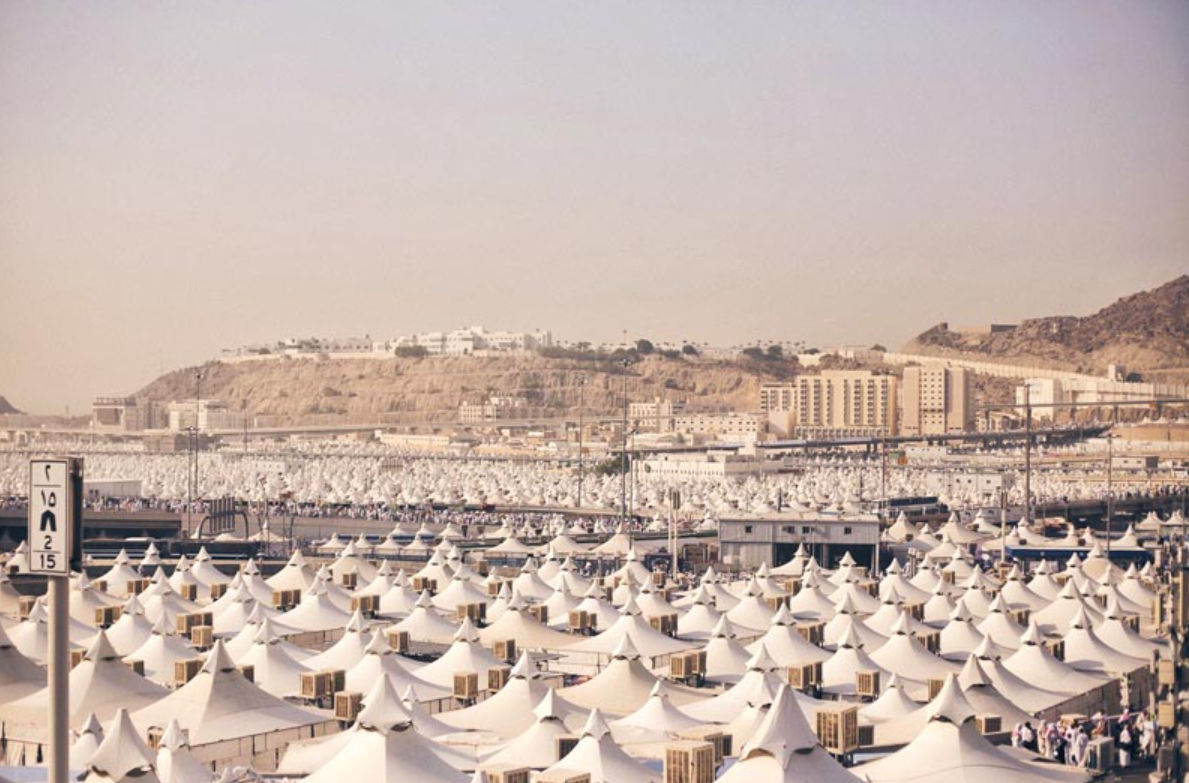
Mina, a small city of white tents, is known as the Tent City and is the site of the symbolic stoning of the devil. Pilgrims stay in Mina during the Hajj to perform the ritual of Rami al-Jamarat, which involves throwing pebbles at three pillars (representing Satan) over three days. This ritual commemorates the Prophet Ibrahim's (Abraham's) rejection of Satan's temptation.
Location: Between Mina and Arafat
After sunset on the Day of Arafat, pilgrims move to Muzdalifah, an open area where they spend the night under the sky. Here, they gather pebbles for the stoning ritual in Mina and perform the Maghrib and Isha prayers together. The stay in Muzdalifah reflects the humility and equality of all pilgrims before God.
Location: Within Masjid al-Haram, Mecca
The Well of Zamzam is a historic well located within the Sacred Mosque. According to Islamic tradition, it miraculously provided water to Hagar and her son, Prophet Ismail, in the desert. Pilgrims drink from the well's water and often take some back home as a blessed keepsake. The water of Zamzam is considered pure and is believed to have healing properties.
The main difference between Umrah and Hajj is that Hajj is an obligatory pilgrimage for Muslims that must be performed during a specific time in the Islamic lunar month of Dhu al-Hijjah, while Umrah is a voluntary pilgrimage that can be performed at any time of the year
The rituals of Hajj are important as they make pilgrims enter a state of spiritual purity referred to as “ihram” which aims to get rid of symbols of materialism. The pilgrim gives up worldly pleasures so as to focus on their inner self instead of their outward appearance. The rituals test pilgrims’ patience as well as tolerance.
On the 9th Dhul Hijjah before noon the pilgrims come to Arafat which is a barren and plain land. Here they stand in contemplative vigil. They will offer supplications, will repent for sins they have committed, and seek the mercy of Allah. They will listen to the sermon carried out by Islamic scholars. Lasting from noon through sunset, or known as wuquf, it is said to be one of the most important rites of Hajj. The pilgrims will offer noon and also afternoon prayers at Masjid al-Namirah together at noontime. The pilgrim needs to spend the afternoon on Arafat or else the Hajj is regarded as being invalid.
Far far away, behind the word mountains, far from the countries Vokalia and Consonantia, there live the blind texts. Separated they live in Bookmarksgrove right at the coast
Hajj is the greater Muslim pilgrimage that occurs to Mecca. It happens in the last month of the year. All Muslims need to at least perform Hajj once in their lifetime, if they are able to afford to do so. It is also one of the Five Pillars that Islam has. There are three forms of Hajj, i.e. Tamattu, Ifraad and Qiran. The following tells you about the Tamattu form of Hajj. This is what the Prophet Muhammad (peace and blessings be upon him) encourages people to perform. It consists of:
Muzdalifah consists of an open and level area close to Mecca in the Hejazi region of Saudi Arabia. It is southeast of Mina and on the route present between Mina and Arafat.
The 9th of Dhul Hijjah is spent at Muzdalifah. This will be under the open sky. Here pilgrims will gather pebbles to throw at the pillars of Jamarat.
The Day of Arafat occurs on the ninth day of Dhul Hijjah. Muslims go to Arafat to pray and supplicate to Allah SWT. The following ayah was also revealed on this day therefore it is even regarded as being important “This day I have perfected for you your religion and completed My favour upon you and have approved for you Islam as religion.” (Surah al Maa’idah 5:3)
The Day of Arafat is when many Muslims’ sins get forgiven by Allah. It is known as the day that Allah perfected Islam. The above verse was also revealed on this day.
The Tawaf occurs in an anti-clockwise movement. Here a full circle is completed every time that a person gets back to the Black Stone, or even parallel to it. Often the pilgrim will do the Tawaf three times which is for the pilgrimage, then once for the Umrah.
It is Sunnah for pilgrims to recite “Inna s-safa wa l-marwata min sha’a’iri llah(i)”. It means that indeed, Safa and Marwa are from the signs of Allah. After this, pilgrims would have to recite the following Dua – “Abda’u bima bad’allahu bihi”. This Dua says, I begin with that which Allah has begun with. The supplications are needed to be recited once prior to Saee. They should not be at the start of each lap. It is thought that Dua is accepted much during Saee.